Building Resilient Backlink Models for 2026

GSA SER sends a large volume of automated requests in short bursts, and search engines score every IP for rate limits and reputation. An IP that sends numerous quick or identical requests earns a low rating and gets filtered long before any tough limit.

The impact is easy to size. At 300 submissions per hour, one IP might stall after a lots demands, while the exact same volume across 50 proxies leaves each dealing with about 6 per hour. The same distribution secures account registration, commenting, and data collection. It also keeps data precise. A throttled IP returns incomplete or skewed search outcomes, so dispersing the work keeps the link discovery the project counts on consistent.
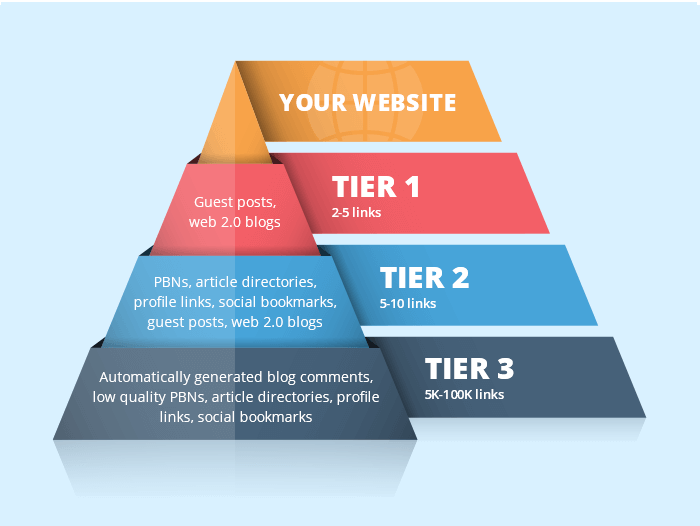
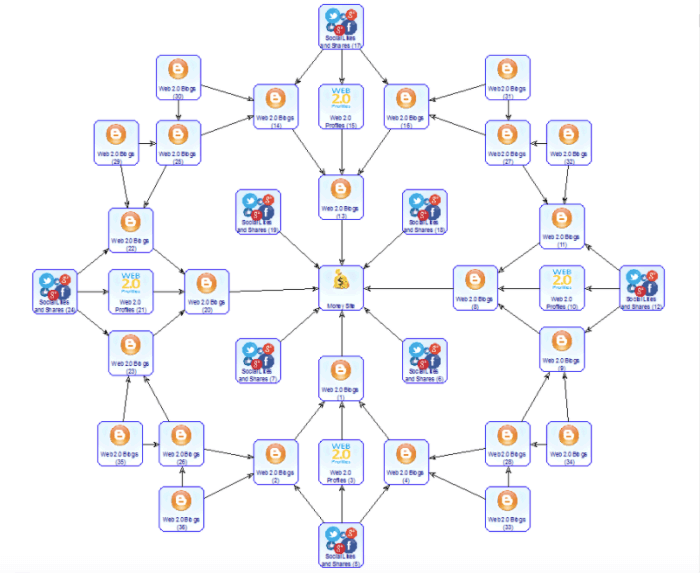
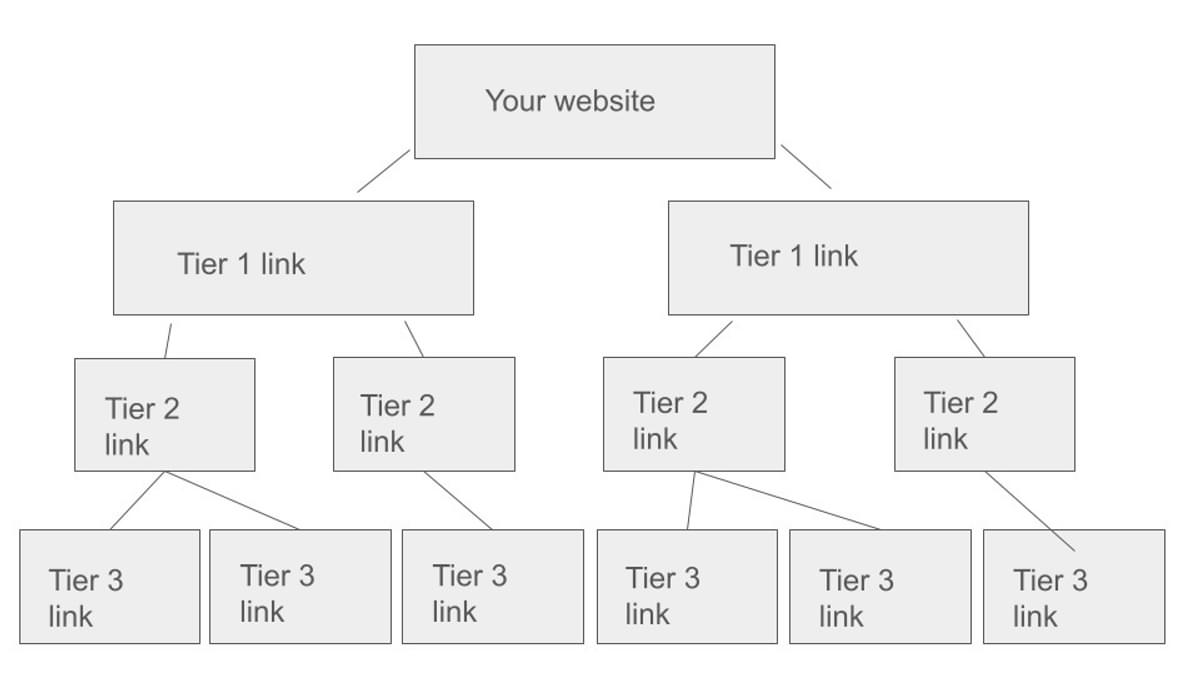
tiered link building with GSA SERThe table below sums up the main differences. Proxy typeBest suited forMain restrictionDatacenter IPv4/ IPv6High volume search information collection and bulk submissionLower trust level on strict platformsResidential/ ISPSensitive registration and origin sensitive targetsHigher cost per addressBudget mindful jobs with lower riskReputation shown other usersConsistent, track record delicate campaignsHigher cost than shared plansDatacenter IPv4 and IPv6 proxies are fastest and cheapest, the default for high volume work, while residential and ISP addresses cost more however carry the greater trust required for delicate registration actions.